st-george-orthodox-church / India
| Progettista | Vinu Daniel | |
| Location | Kochi, Kerala, India | |
| Nazione | India | |
| Design Team |
Lead architect: Vinu Daniel and team |
|
| Anno | 2016 | |
| Crediti Fotografici |
All photographs by Jino Sam |
|
Foto esterni
 |
 |
 |
 |
Descrizione del progetto
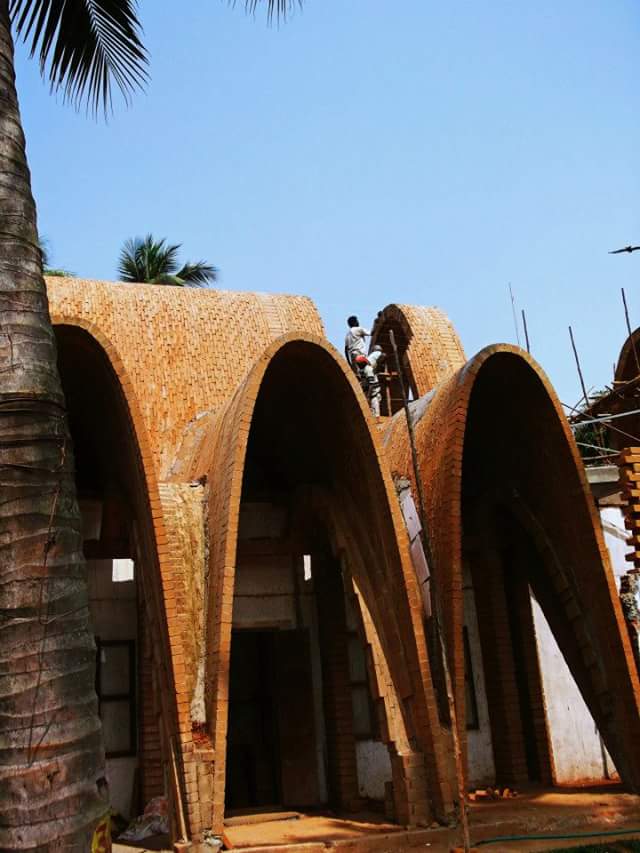
With increasing demand over resources, it is the responsibility of architects to use materials with very less embodied energy. Mud as a material can be expressed in its true form through various methods like earth blocks, rammed earth, wattle and daub and many more.
The exploratory spirit combined with pressing demands our designs are born; which are evolved through a series of dialogues between the masons, architects, clients and an immediate understanding of the site and the surrounding. Rammed earth and compressed earth blocks are dominant materials in the design process.
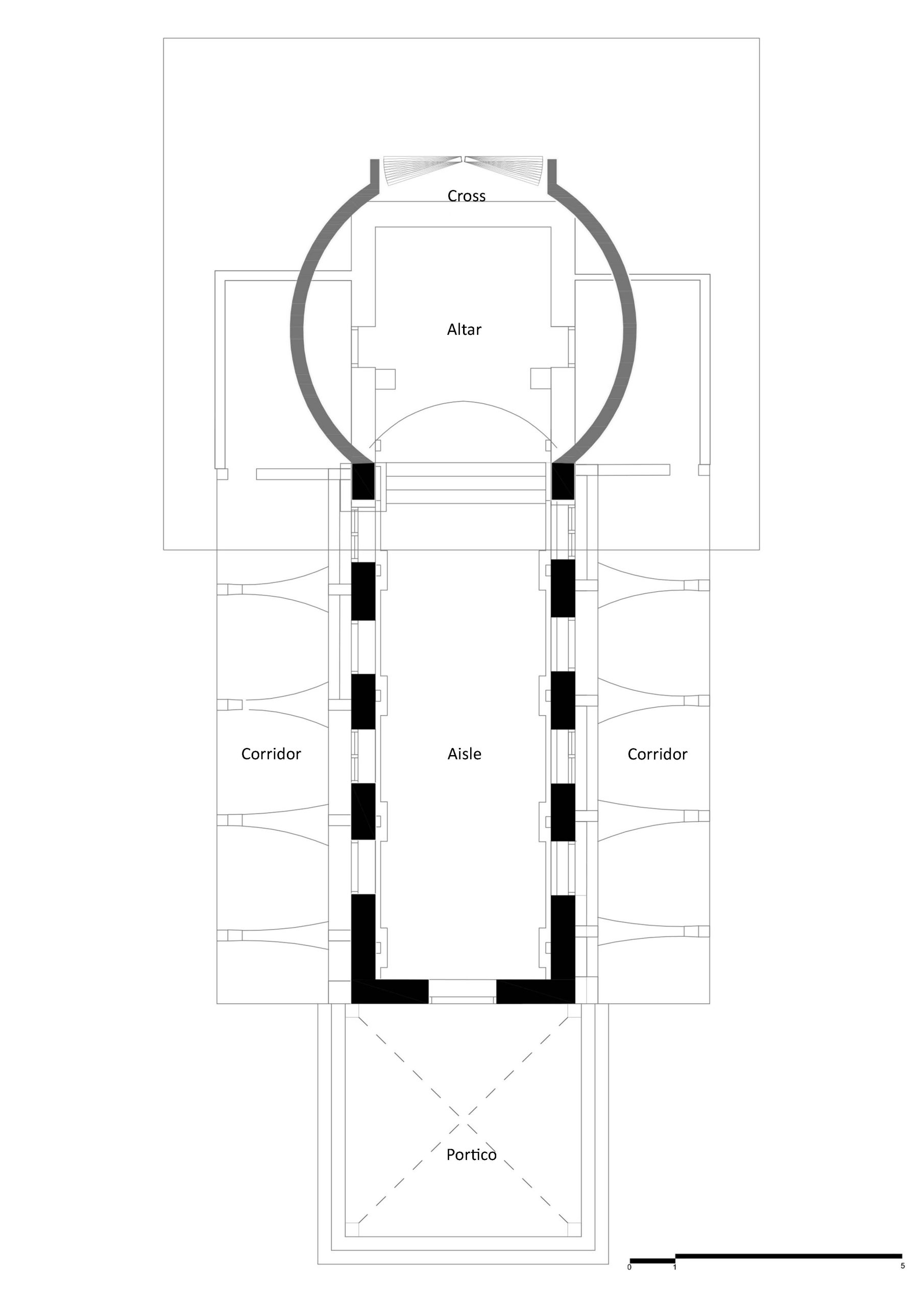
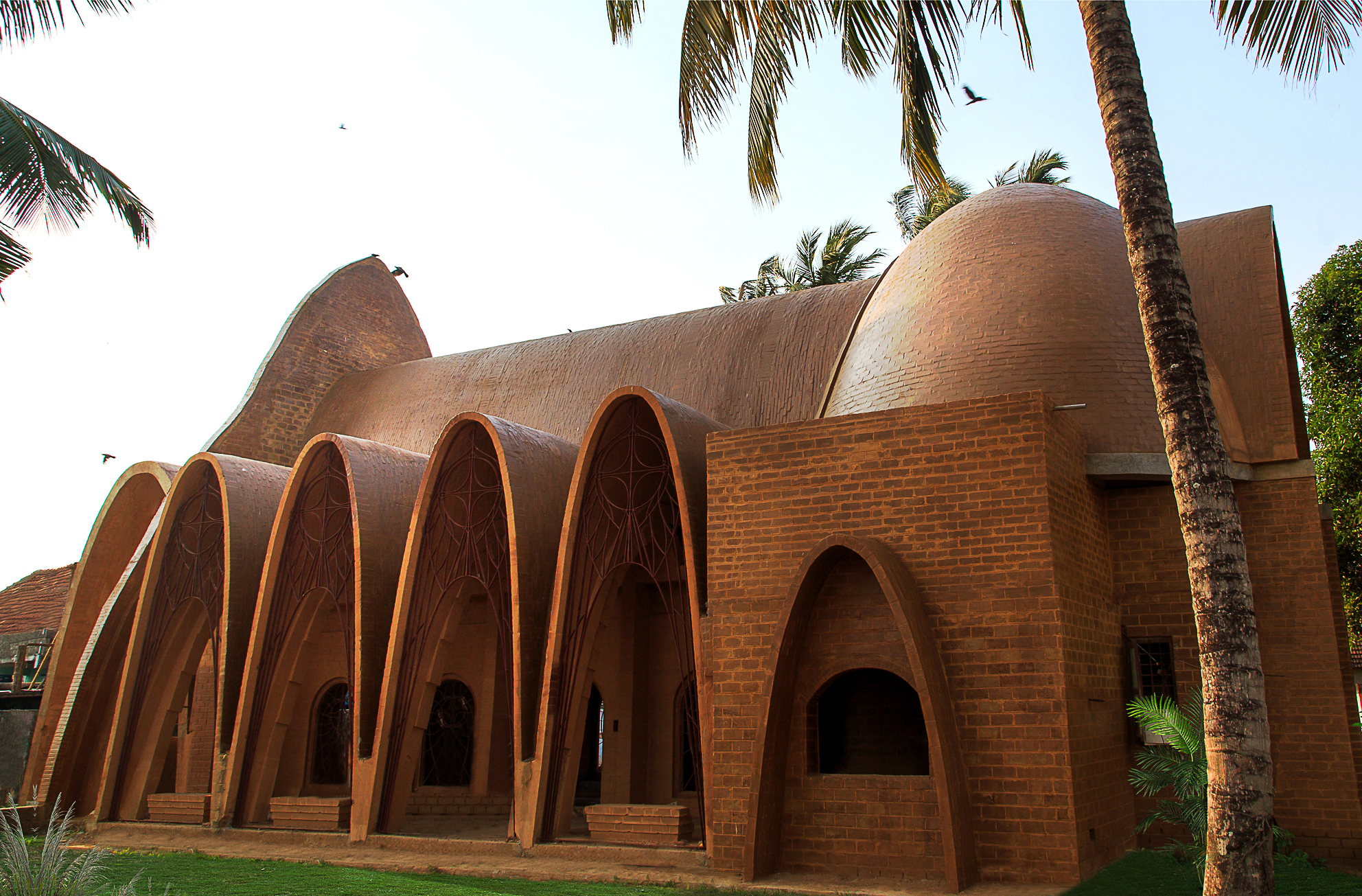
St. George Orthodox Church at Mattanchery was the first church of Christians in the land of spices(Kerala, India) set in A.D.1615.Years of negligence and encroachment left this historic monument in shambles. The head of the Christian sect of Kerala (His Holiness Moran Mar Baselious Marthoma Paulose-II )took a brave step in rebuilding (keeping the foundation intact) this monument.
Wallmakers, trained by Ar. Satprem Maini from Auroville Earth Institute, Pondicherry explained to the client the possibilities of earth architecture and the historic importance of arches and vaults in religious edifices. The resulting partnership produced magic aimed with reinstating earth architecture in south India, this was prime opportunity.
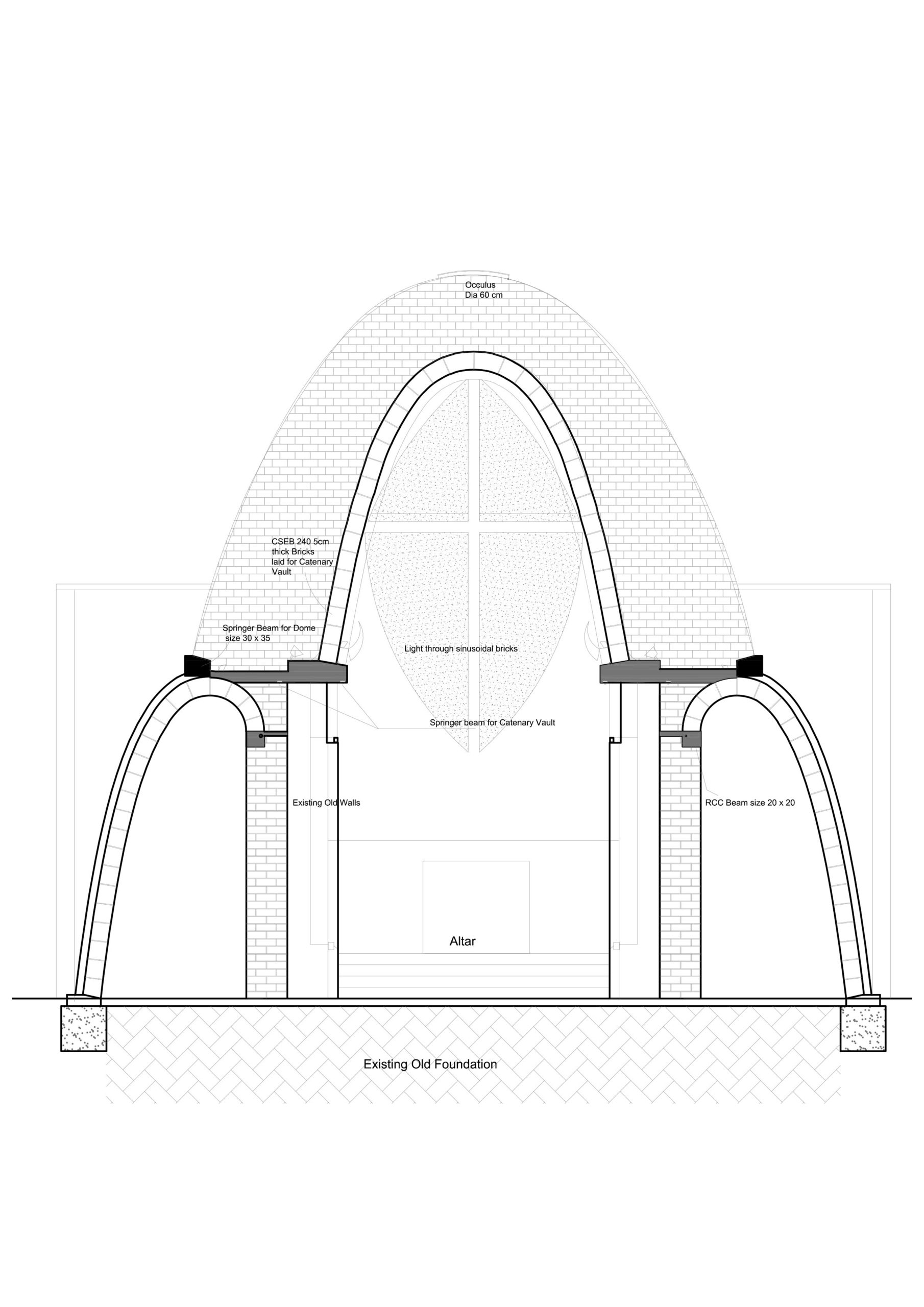
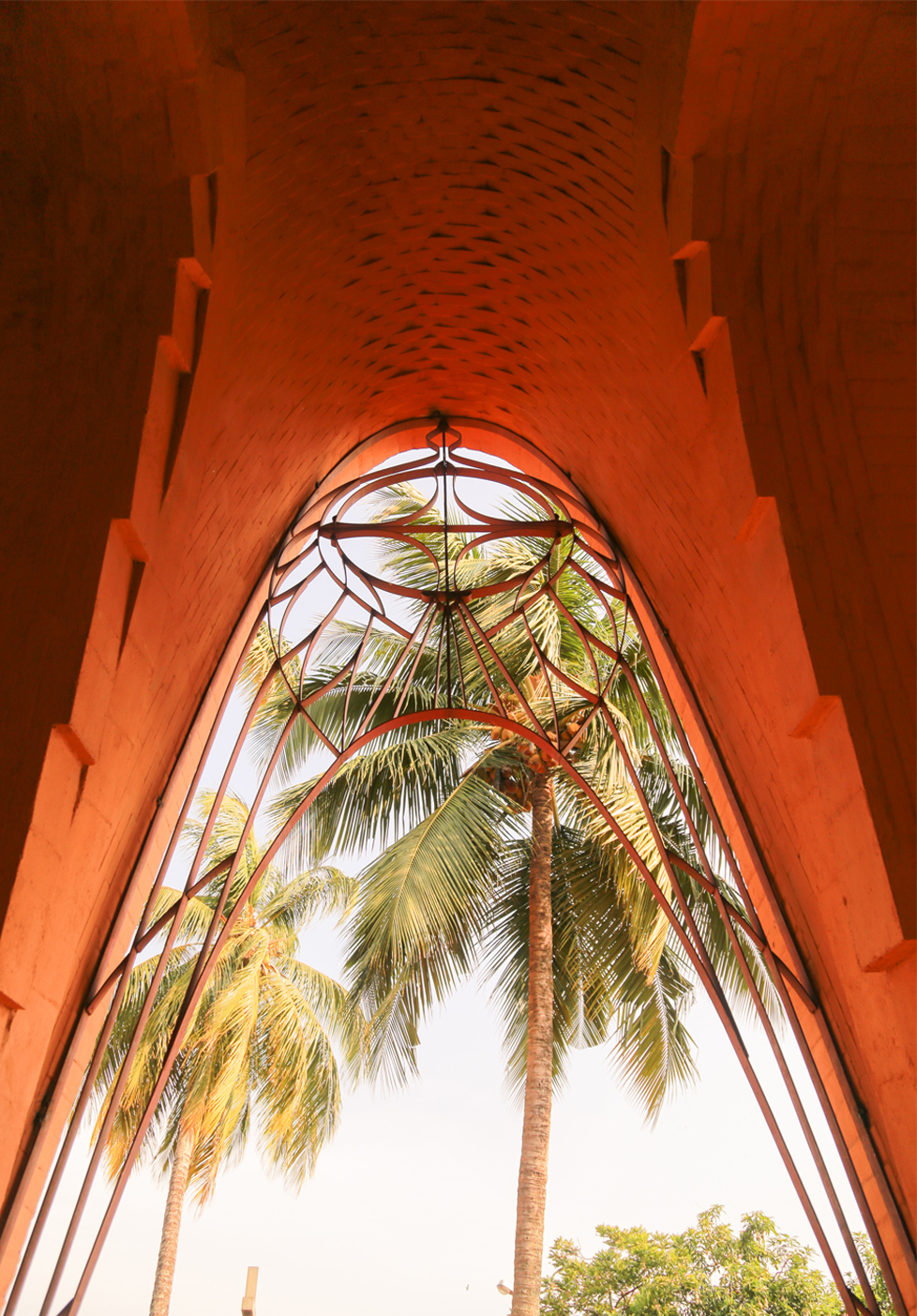
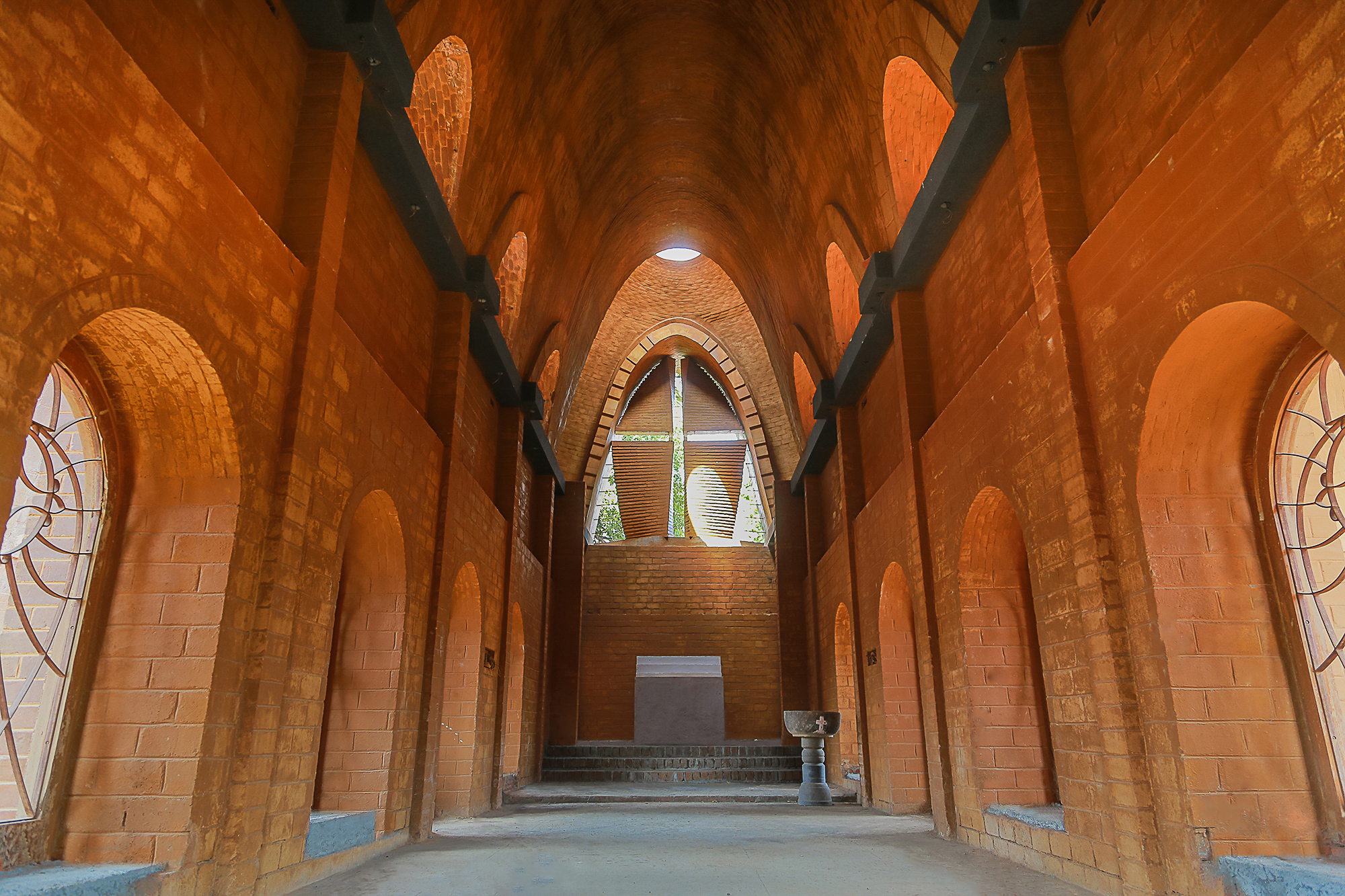
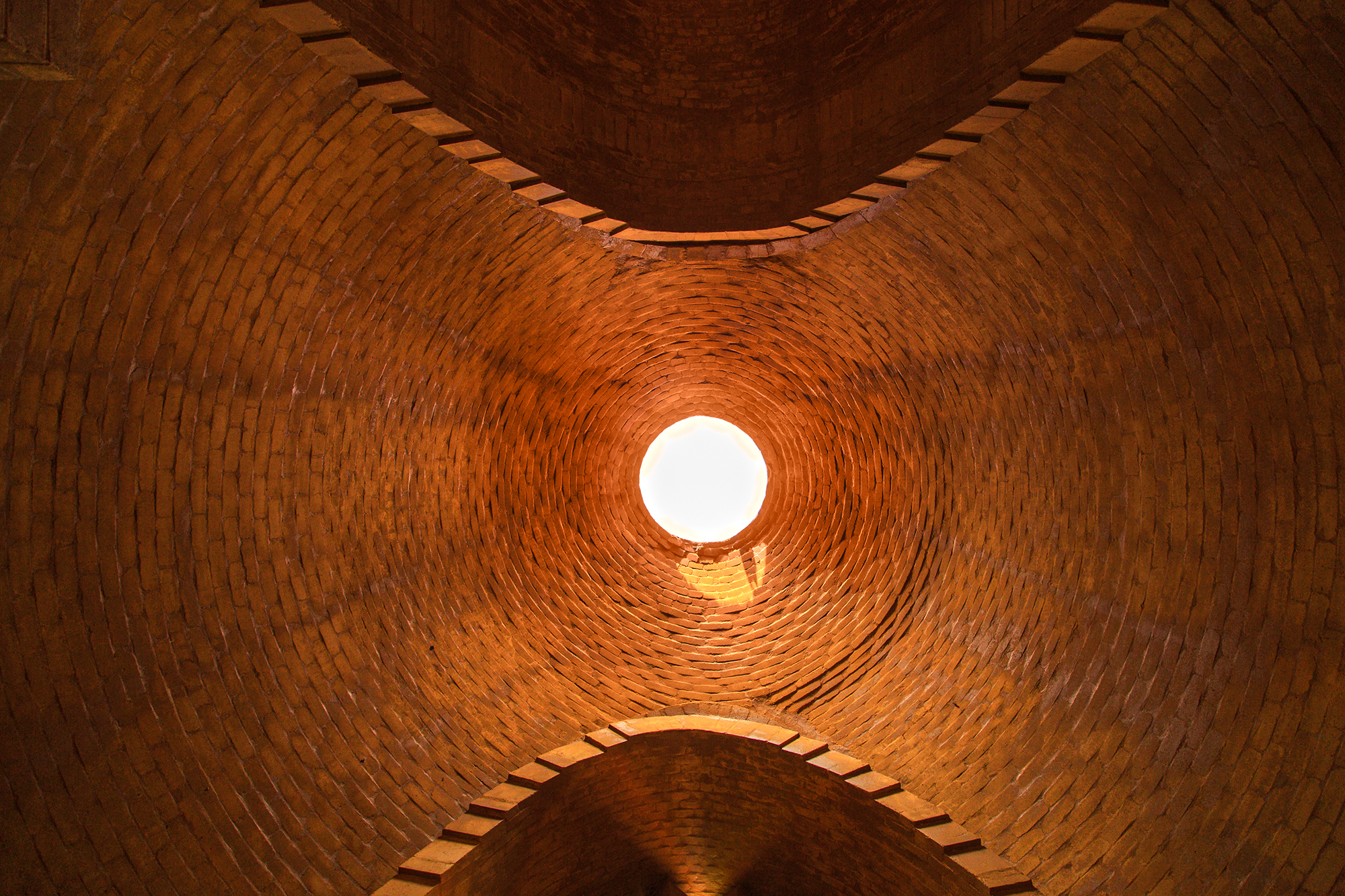
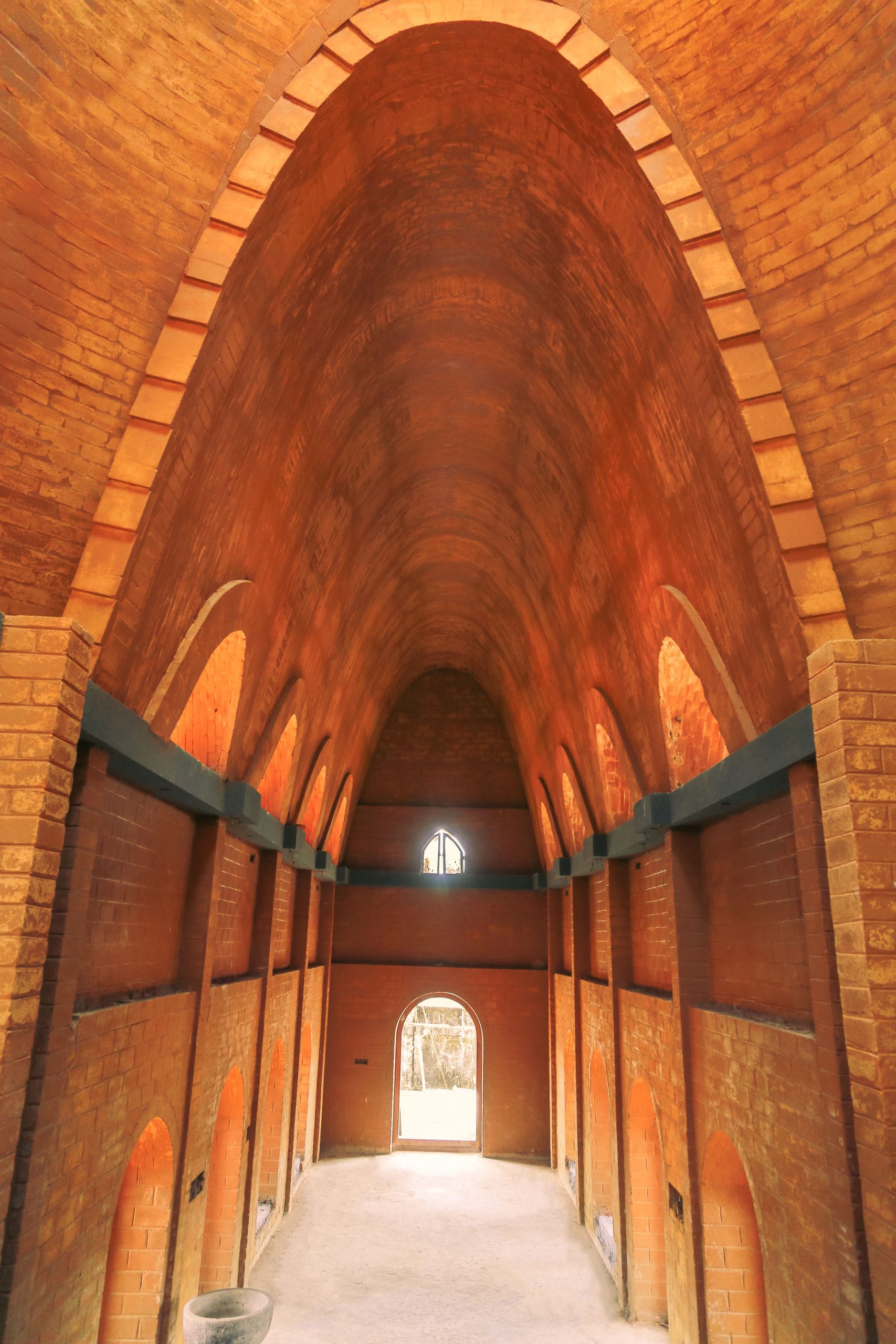
The concept of domes, vaults and arches rose from early symbols of eastern Christianity like Marthoma cross finally ending in an altar blessed by a “cross of light” a concept by Ar. Tadao Ando but in this case by earth bricks, by nature.
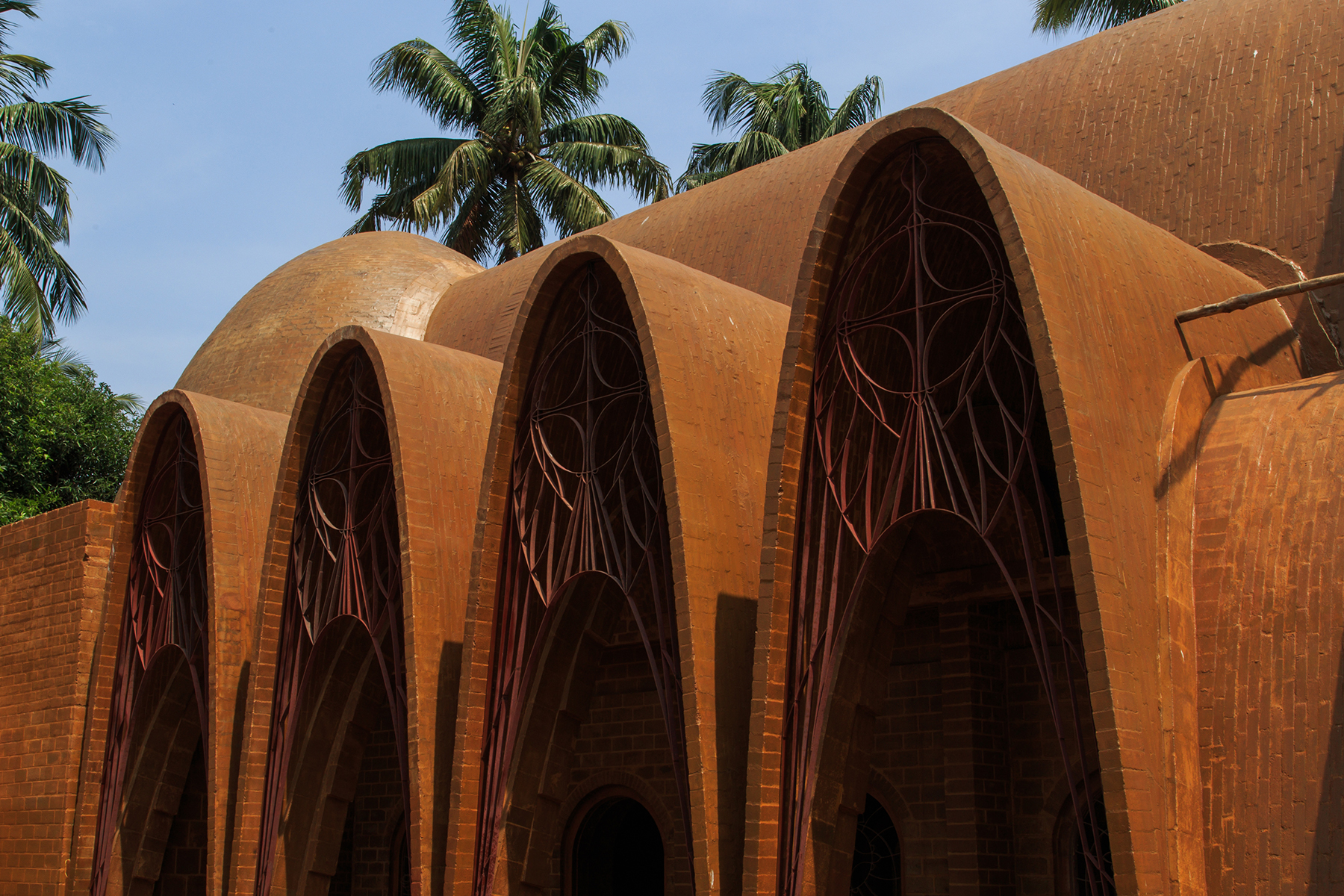
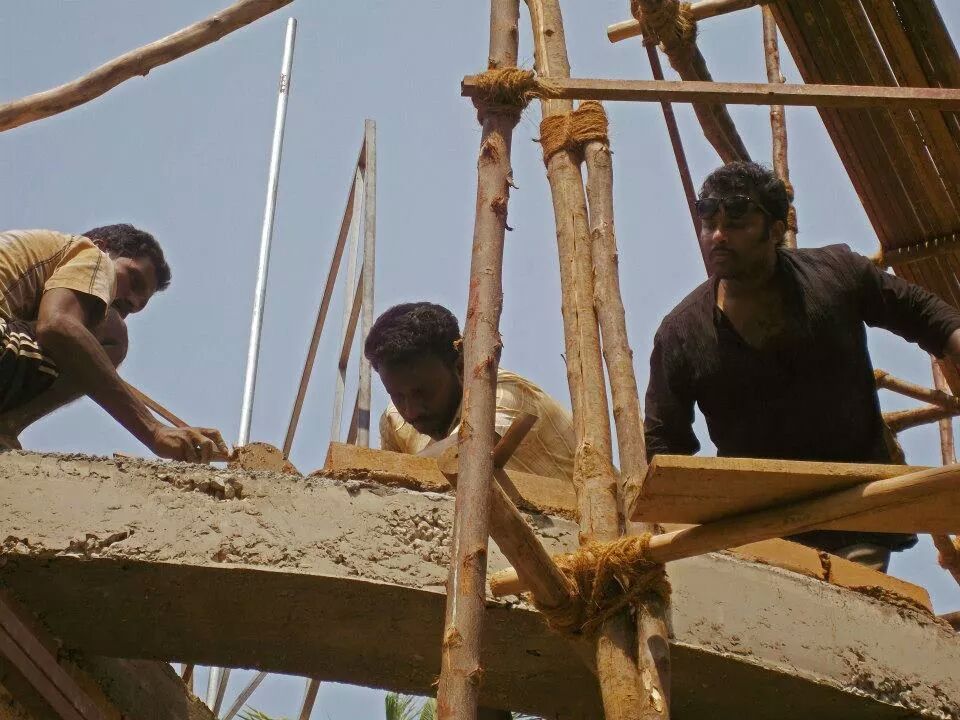
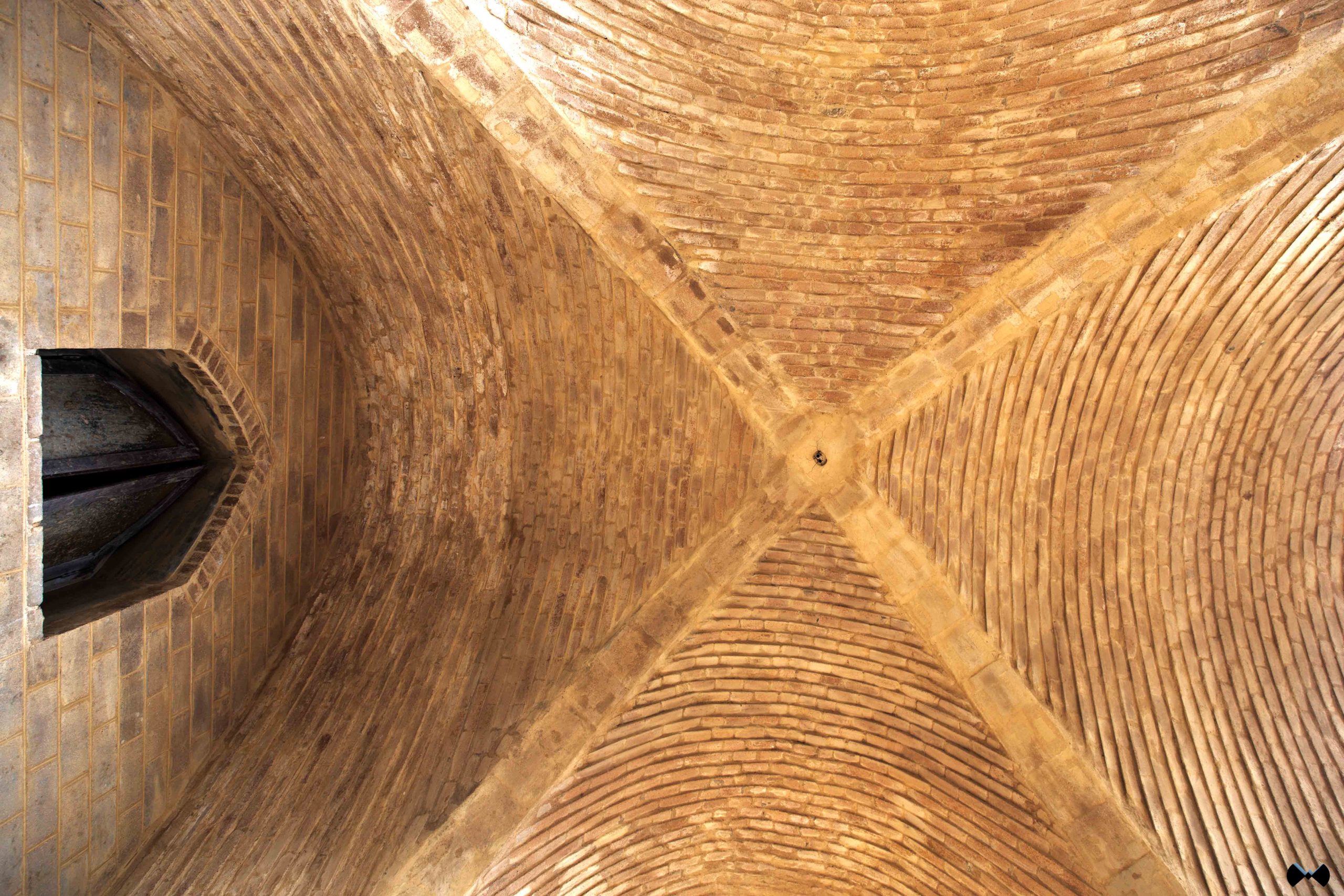
The masons received training by the architect himself in building with compressed stabilized earth block using ancient Nubian technology of arch and vault building without extensive shuttering (revitalized in early 20th century by Ar.Hassan Fathy).
The project led to training of various students of architecture who have come to understand the importance of building with earth to have a better future.
ENERGY EFFECTIVENESS
Costs are too often limited only to a monetary value. Another important aspect is the environmental cost, especially with the embodied energy into the material. The production of earth-based materials consumes much less energy. The initial embodied energy of CSEB is about 4 times less than country fired bricks. Of course the carbon emission is also about 4 time less for the CSEB, compared to the country fired bricks.
CONSTRUCTION TECHNIQUES: CSEB:
Initial embodied energy (MJ/m3 of materials) Carbon emission (Kg of CO2 /m3 of materials)
CSEB are consuming 4 times less energy than country fired bricks: CSEB produced on site with 5 % cement = 1,112.36 MJ/m3 Country fired bricks = 4,501.25 MJ/m3
CSEB are polluting 4 times less than country fired bricks:
CSEB produced on site with 5 % cement = 110.11 Kg of CO2 /m3 Country fired bricks = 444.12 Kg of CO2 /m3
NUBIAN TECHNIQUE
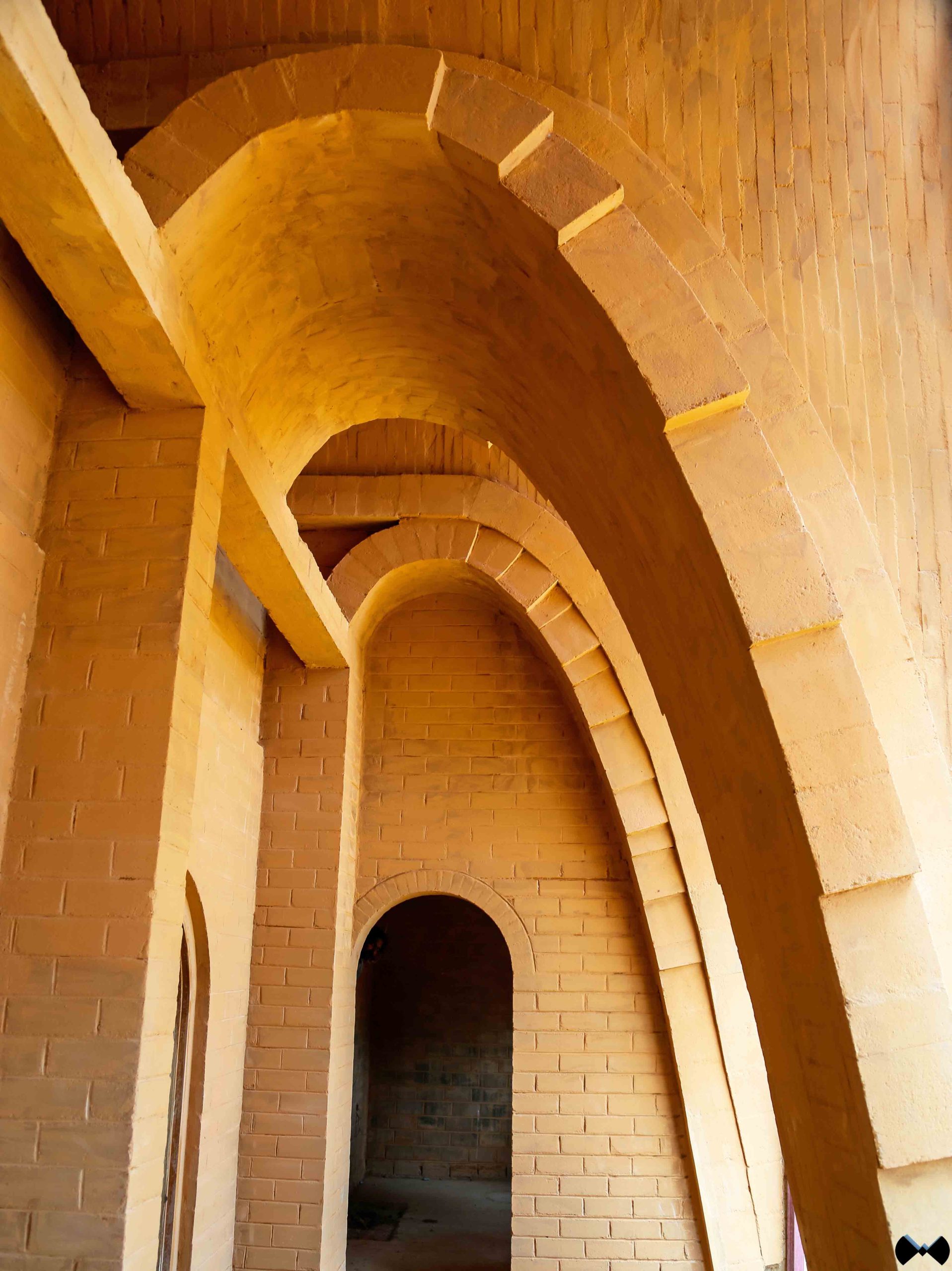
Age old construction technique involving masonry with earth blocks and mud mortar without shuttering to create a wide range of arches and domes and vaults.The was reintroduced to 20th century by Egyptian architect Hassan Fathy
Chain Study Method:
Chain study method helps to stabilize the right shape of the arch before the execution begins. The structural study was first formulated by Antonio Gaudi in some of his structures which engineers posthumously found out.The same technique is employed to achieve stability in the Arches
Relazione illustrativa del progetto
Scarica la relazione
Foto interni
 |
 |
 |
 |
Disegni tecnici